
The Largest Crypto Crackdown in History
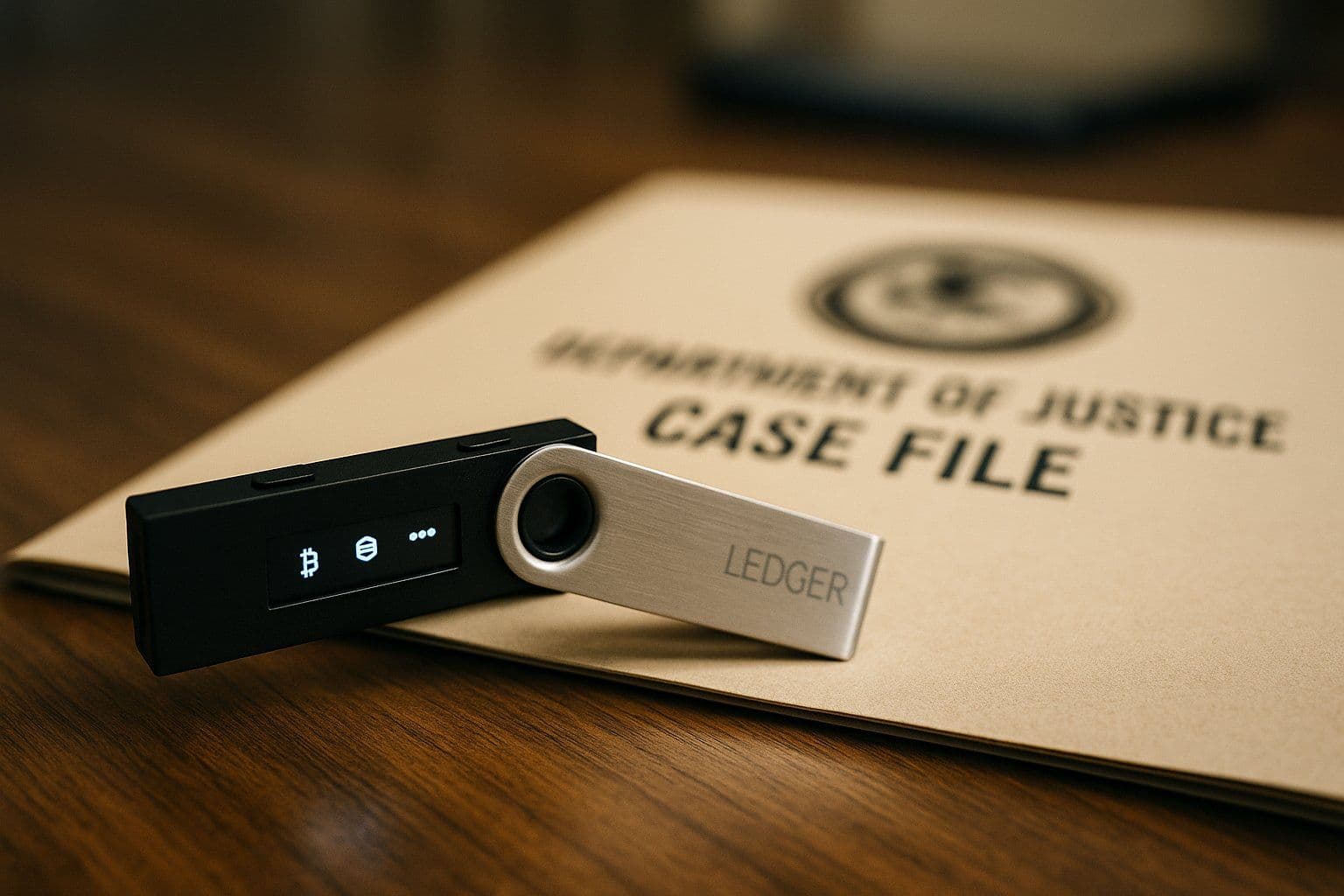
In a move that stunned global markets, U.S. and U.K. officials jointly confirmed the confiscation of around 130,000 BTC, worth roughly $15 billion, connected to a massive web of cross-border fraud operations. Investigators describe it as the largest financial seizure in history by value and a defining moment for the digital-asset industry.
Authorities say the Bitcoin stash was linked to so-called “pig-butchering” scams — elaborate schemes run from forced-labor compounds across Southeast Asia. Victims were reportedly tricked into fraudulent investment platforms that routed funds through crypto exchanges, OTC brokers, and mixers to obscure their trail.
The coordinated takedown, which involved law-enforcement agencies across multiple jurisdictions, now marks the first time human-trafficking and large-scale financial crime have intersected in a single blockchain-based case.
Confirmed Details and Active Investigations
Officials have so far charged one Cambodia-based businessman believed to have directed the laundering of billions in crypto profits through offshore entities and shell accounts. Over 100 organizations and addresses have been sanctioned as part of the crackdown.
Forensic teams traced wallet flows across major exchanges, flagging several addresses still under investigation. Analysts suggest the seized Bitcoin may eventually be moved into government-controlled wallets, a process that typically precedes asset auctions or long-term custody.
While no official timeline for asset liquidation has been announced, markets are watching on-chain activity closely for any movements resembling previous U.S. Marshals sales.
Market Fallout: Liquidity Fears and Volatility Risk
The announcement arrives at a tense moment for digital-asset traders. Just days after global markets reeled from tariff-driven volatility, the sudden headline has amplified risk aversion.
If any of the confiscated Bitcoin were to be transferred to exchange-linked wallets, traders fear it could trigger a short-term liquidity shock. Even without active selling, the perception of a potential overhang can weigh heavily on sentiment.
Market strategists note similarities to past enforcement events — such as Silk Road and Bitfinex seizures — where large government-held BTC balances occasionally unnerved investors.
Market strategists often track live price movements and sentiment trends — explore the latest market insights and real-time data on our Markets page
Policy Shockwaves and the Push for Compliance
The record seizure strengthens calls for more robust AML and KYC frameworks across the industry. Regulators are expected to use the case as a catalyst for tighter oversight on exchanges, OTC desks, and custodians.
Compliance officers warn that the crackdown could usher in a new phase of regulatory pressure, especially for jurisdictions that still host unlicensed platforms. At the same time, proponents argue that successful enforcement proves crypto isn’t beyond the reach of law — a critical narrative as policymakers debate ETF approvals and cross-border stablecoin rules.
Recent ETF approvals have reshaped investor expectations — follow the latest regulatory developments and SEC decisions in our Regulation section.
A Human-Rights and Technology Intersection
Beyond financial crime, this case exposes how cryptocurrency infrastructure can both enable and expose human-rights abuses. Investigators say thousands of workers were coerced into executing online fraud from heavily guarded compounds. Blockchain tracing, ironically, provided the transparency that ultimately led to the network’s unraveling.
Blockchain tracing ironically, provided the transparency that ultimately led to the network’s unraveling.
What to Watch Next
1. Government wallet activity:
Blockchain analysts will monitor for any movements from addresses linked to the seizure. Historically, governments transfer confiscated coins to new custodial wallets months before auctions or settlements.
2. Exchange subpoenas:
Additional legal filings may name major exchanges or brokers that inadvertently processed related flows, potentially prompting further sanctions or delistings.
3. Policy momentum:
Expect fresh debate in Washington and Brussels as lawmakers highlight the seizure to justify stricter anti-fraud rules — or conversely, to argue that enforcement already works.
See full coverage in Regulation News
Key Takeaways
- A record $15 billion Bitcoin seizure exposes the world’s largest crypto-linked scam network.
- Markets brace for volatility as traders track potential government wallet movements.
- Regulators prepare for renewed AML/KYC momentum and policy debates across the U.S. and EU.
- The investigation intertwines financial crime, human trafficking, and blockchain transparency, reshaping how the public views digital assets.