
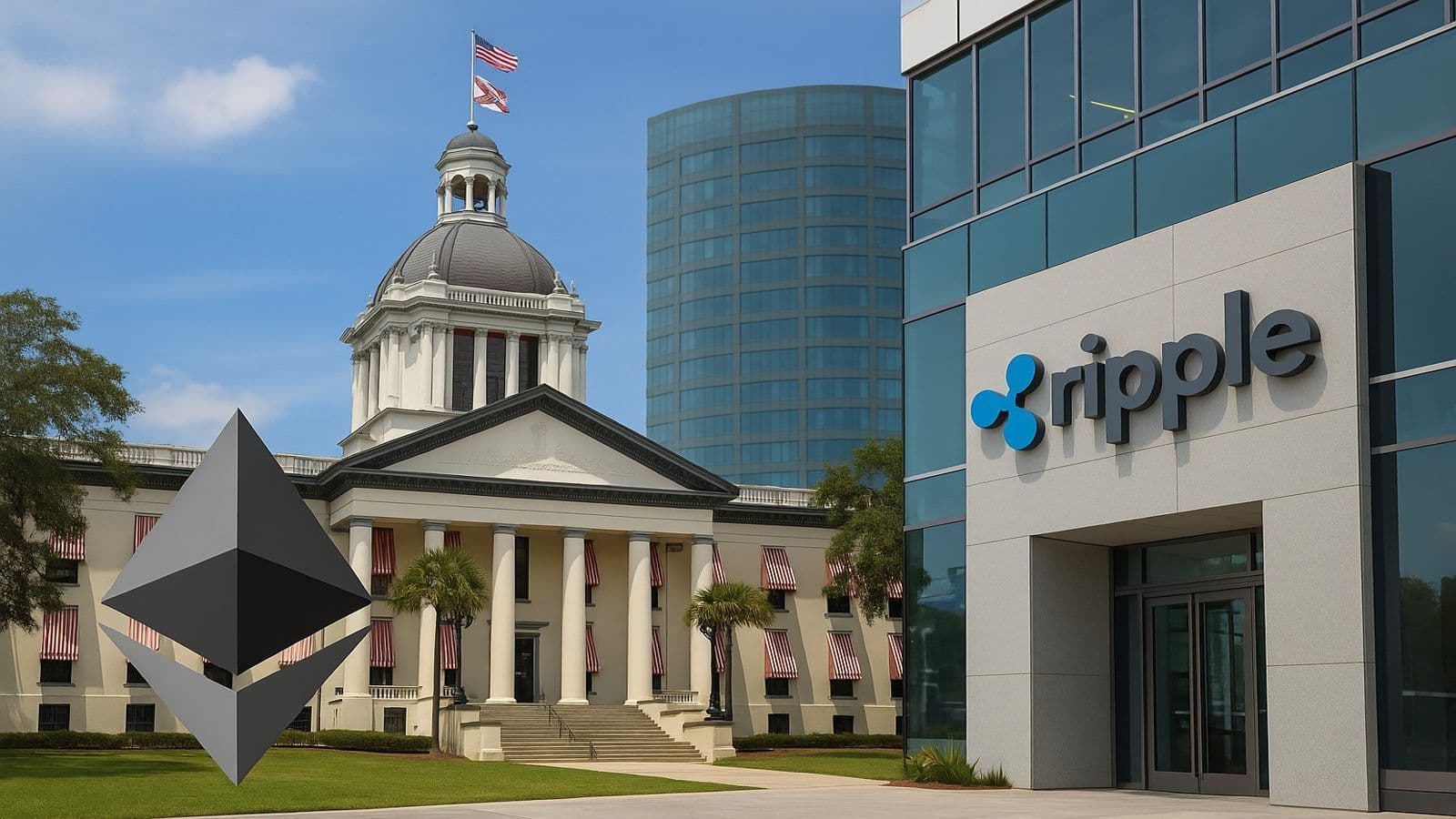
A wave of institutional and regulatory momentum is reshaping the crypto landscape. Asset manager VanEck has filed for a Lido Staked Ethereum ETF, Ripple Labs is preparing a billion-dollar fund to expand its XRP reserves, and Florida lawmakers are reviving a bill that would allow the state to invest part of its treasury in digital assets.
Together, these developments mark a pivotal moment for the digital asset industry, signaling that institutions, asset managers, and even governments are deepening their engagement with blockchain-based finance despite lingering market volatility.
VanEck’s Lido ETF Targets Yield and Regulation
VanEck’s new proposal for a Lido Staked Ethereum ETF aims to combine spot Ethereum exposure with staking rewards generated through the Lido protocol. If approved, it would represent the first time a regulated ETF integrates on-chain staking yield into a traditional fund structure.
For institutional investors, this could be a game-changer. It allows exposure to Ethereum’s price and passive income without needing to run validator nodes or interact directly with decentralized systems. Analysts believe this is part of a broader trend in which ETFs evolve from passive trackers into hybrid vehicles that offer yield, governance, or blockchain participation.
However, regulatory hurdles remain. Staking introduces new layers of custodial and compliance complexity, and the Securities and Exchange Commission is expected to examine these products with exceptional scrutiny. Still, VanEck’s move underscores growing confidence that staking will become a mainstream yield mechanism for institutional investors.
Ripple Plans $1B to Accumulate XRP
Meanwhile, Ripple Labs is leading an ambitious effort to raise around one billion dollars to reinforce its XRP reserves. The company reportedly intends to deploy this capital through a dedicated digital asset treasury structure, using the funds to purchase XRP directly from the market and strengthen its liquidity position.
Ripple’s executives frame the initiative as part of a long-term plan to expand enterprise adoption and enhance the stability of its token ecosystem. The raise also aligns with Ripple’s recent global expansion and its push toward institutional cross-border payment solutions.
Critics, however, question the timing. Market volatility remains high, and Ripple’s efforts come just months after intensified scrutiny over token sales and liquidity transparency. Supporters counter that a strategic buyback demonstrates conviction — signaling to both partners and holders that Ripple intends to remain the central liquidity provider within the XRP economy.
Florida Rekindles the Crypto Reserve Debate
In the United States, Florida lawmakers have revived a proposal to allow part of the state’s reserves and trust funds to be invested in Bitcoin and other approved digital assets. The bill, which had stalled earlier this year, now includes stricter custodial standards, oversight frameworks, and transparency requirements.
Supporters call it a forward-thinking measure that treats Bitcoin as an emerging reserve asset alongside gold and treasury securities. Critics argue it exposes taxpayer money to unnecessary volatility and political controversy.
Regardless of the outcome, Florida’s initiative places crypto at the center of fiscal policy conversations. It could inspire other states to explore similar reserve diversification strategies if it advances through the legislature.
Blockchain Meets the Creator Economy
Adding to the week’s momentum, financial firm Lombard and creative agency Story announced a partnership to integrate blockchain infrastructure into the creator economy. Their initiative aims to enable tokenized rights management and direct payments for artists, freelancers, and digital creators.
This represents a growing trend of merging blockchain utility with intellectual property and content monetization. By decentralizing ownership and revenue distribution, such platforms could redefine how creators engage with their audiences — making transparency, royalties, and authenticity verifiable on-chain.
Market Mood: Between Crash Fears and Growth Signals
The market remains conflicted. Some analysts warn that recent leverage buildups and macroeconomic uncertainty could trigger a deeper financial correction. Others point to structural optimism: institutional product launches, state-level adoption, and expanding tokenization frameworks all support a more mature phase of crypto development.
Bitcoin continues to fluctuate near key psychological levels, testing investor patience after a series of volatile sessions. Ethereum remains resilient, supported by rising staking demand. Yet, overall sentiment sits in a zone of cautious accumulation — a familiar rhythm in the cycles that often precede renewed rallies.
The Bigger Picture
Taken together, these developments represent a convergence between regulation, innovation, and institutional confidence. VanEck’s ETF proposal could define how staking becomes accessible to mainstream investors. Ripple’s $1B accumulation push reflects corporate conviction in digital reserves. Florida’s renewed bill blurs the line between public finance and blockchain adoption.
Even as markets wobble and analysts debate short-term direction, the broader signal is clear: traditional finance is no longer on the sidelines. It’s testing, adapting, and integrating blockchain at multiple levels — from ETFs and state treasuries to creative industries.
The question now isn’t whether crypto will survive the next downturn, but how deeply it will embed itself into the structures of global finance once the volatility subsides.